
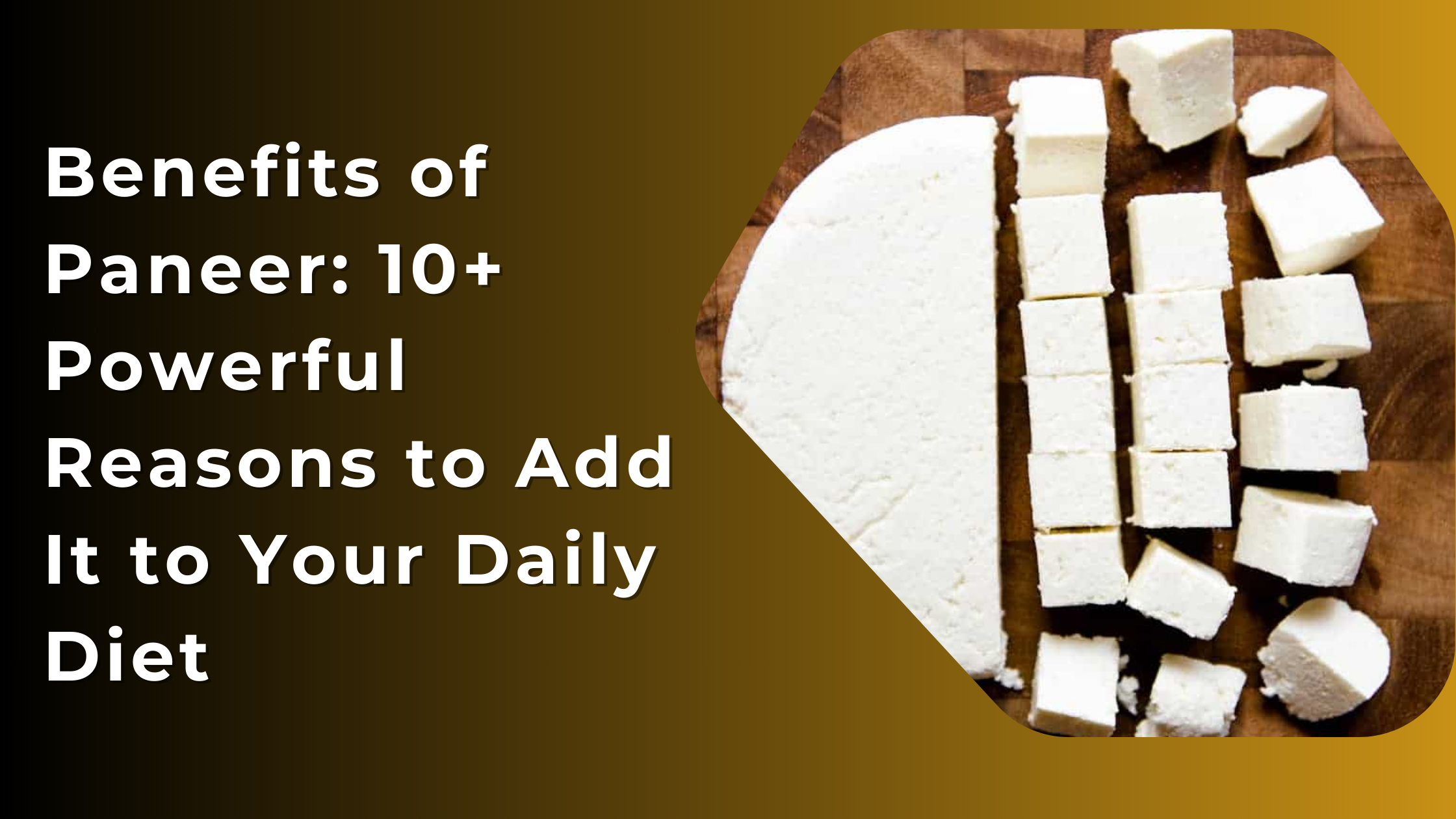
Paneer is a fresh, soft cheese made by curdling milk with lemon juice or vinegar. Unlike aged cheeses, paneer doesn’t melt and holds its shape when cooked. That’s why it’s perfect for grilling, frying, or adding to curries.
It’s especially popular in Indian cuisine and widely used across regions like India, where it appears in countless vegetarian dishes.
But beyond taste, the real magic lies in the benefits of paneer for your health.
Why Paneer Is Popular in Indian Households
Paneer is affordable, versatile, and packed with nutrition. Whether it’s stuffed in parathas, tossed into salads, or cooked in rich gravies, paneer fits everywhere.
For vegetarians, it’s often the primary source of protein. And honestly, who doesn’t love a good paneer dish?
Nutritional Value of Paneer
Understanding the benefits of paneer starts with its nutrition profile.
Macronutrients in Paneer
Paneer is rich in:
-
Protein
-
Healthy fats
-
Low carbohydrates
A 100-gram serving typically provides around 18–21 grams of protein. That’s impressive, right?
Essential Vitamins and Minerals
Paneer isn’t just about protein. It’s loaded with essential micronutrients.
Calcium and Phosphorus
Paneer is high in calcium and phosphorus, which work together to strengthen bones and teeth.
Think of calcium as the bricks and phosphorus as the cement. Together, they build a solid structure.
Vitamin B12 and Other Nutrients
Paneer contains Vitamin B12, crucial for nerve function and red blood cell formation. This is especially important for vegetarians, who often struggle to get enough B12.
Top Benefits of Paneer for Health
Now let’s dive deep into the real reason you’re here—the benefits of paneer.
High-Quality Protein for Muscle Growth
Protein is the building block of muscles. Paneer contains casein protein, which digests slowly and provides a steady release of amino acids.
If you’re trying to build muscle or maintain strength, paneer can be your best friend.
Strengthens Bones and Teeth
Thanks to its calcium content, paneer supports bone density and prevents conditions like osteoporosis.
Growing kids, pregnant women, and seniors especially benefit from this.
Supports Weight Loss and Fat Loss
Surprised? Yes, paneer can help with weight loss.
Its high protein content keeps you full for longer, reducing unnecessary snacking. When you feel satisfied, you naturally eat less junk.
Just remember—portion control matters.
Boosts Heart Health
Paneer contains healthy fats and magnesium, which help regulate blood pressure. When eaten in moderation, it can be part of a heart-friendly diet.
Regulates Blood Sugar Levels
Paneer is low in carbohydrates and high in protein. This combination helps slow down sugar absorption, preventing spikes in blood sugar levels.
For people managing diabetes, this is one of the underrated benefits of paneer.
Benefits of Paneer for Different Age Groups
Kids need protein and calcium for growth. Paneer supports:
-
Bone development
-
Muscle formation
-
Brain function
Plus, it’s easy to digest and tasty—so no mealtime drama.
Advantages of Paneer for Adults
Adults juggling work, stress, and workouts need sustained energy. Paneer provides long-lasting satiety and supports muscle repair.
Advantages of Paneer for Seniors
As we age, bone density decreases. Paneer helps maintain bone strength and prevents fractures.
Benefits of Paneer for Fitness Enthusiasts
Ideal for Post-Workout Recovery
After a workout, your muscles crave protein. Paneer helps repair muscle fibers and reduce soreness.
Grilled paneer or paneer salad post-workout? Perfect combo.
Slow-Digesting Casein Protein Advantage
Unlike whey protein, casein digests slowly. That means a steady supply of amino acids for hours.
Eating paneer before bed can even support overnight muscle repair.
Paneer for Skin and Hair Health
Promotes Glowing Skin
Protein and healthy fats help maintain skin elasticity. Paneer also supports collagen production.
Healthy inside = glowing outside.
Strengthens Hair from Within
Hair is primarily made of protein. Consuming paneer regularly supports stronger, shinier hair.
Paneer in a Balanced Diet
How Much Paneer Should You Eat?
Moderation is key.
For most adults, 50–100 grams per day is enough to enjoy the benefits of paneer without excess calories.
Best Time to Eat Paneer
-
Morning: Keeps you full
-
Post-workout: Supports muscle recovery
-
Before bed: Sustained protein release
Avoid heavy paneer meals late at night if you have digestion issues.
Potential Side Effects of Paneer
Lactose Intolerance Concerns
Although paneer contains less lactose than milk, some people may still experience bloating.
If that’s you, consider limiting intake.
Moderation Is Key
Paneer can be high in fat depending on how it’s made. Overeating may lead to weight gain.
Balance it with vegetables and whole grains.
Healthy Ways to Include Paneer in Your Diet
Grilled Paneer Recipes
Marinate cubes in spices and grill them. Add lemon for extra flavor.
Paneer Salads and Snacks
Combine paneer with cucumber, tomatoes, and olive oil for a protein-rich salad.
Traditional Indian Dishes with Paneer
Classic dishes like:
-
Palak Paneer
-
Paneer Bhurji
-
Shahi Paneer
Originating from regions across India, these dishes showcase paneer’s versatility.
Conclusion
The benefits of paneer go far beyond taste. It’s a powerhouse of protein, calcium, and essential nutrients. Whether you want stronger muscles, healthier bones, glowing skin, or better weight management, paneer delivers.
It’s simple, accessible, and incredibly versatile.
So next time you’re planning your meals, ask yourself—why not add some paneer?
Your body will thank you.
FAQs
1. Is paneer good for weight loss?
Yes, paneer is high in protein and keeps you full longer, which helps reduce overeating.
2. Can I eat paneer every day?
Yes, in moderation (50–100 grams daily), paneer can be part of a healthy diet.
3. Is paneer better than chicken for protein?
Paneer is an excellent vegetarian protein source, though chicken typically has more protein per gram and less fat.
4. Does paneer increase cholesterol?
Excess consumption of full-fat paneer may increase cholesterol. Choose low-fat versions if needed.
5. What is the best time to eat paneer?
Post-workout or in the morning is ideal for maximizing the benefits of paneer.
