Let’s be honest. When you hear the word “cow dung,” you probably don’t think “treasure,” right? But what if I told you this humble, earthy material has been quietly powering farms, homes, and even entire communities for centuries?
The Benefits of Cow Dung go far beyond what most people imagine. From boosting soil fertility to generating renewable energy, it’s like nature’s Swiss Army knife. Let’s dive deep and explore why this natural resource deserves way more credit than it gets.
Introduction to Cow Dung and Its Traditional Importance
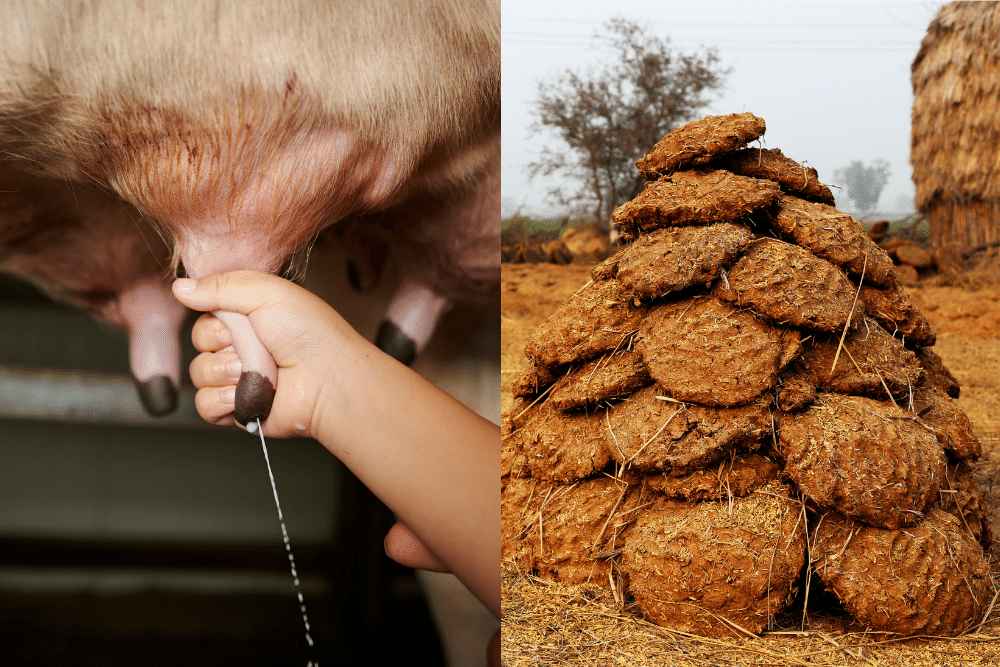
For thousands of years, especially in countries like India, cow dung has been a core part of rural life. It wasn’t waste—it was wealth. Farmers used it to enrich their fields. Families used it to coat floors. Communities relied on it for fuel.
Why? Because people understood something modern society is only now rediscovering: natural cycles work best when we don’t interrupt them.
Nutritional Composition of Cow Dung
Before we talk about applications, let’s understand what makes it powerful.
Organic Matter and Microbial Life
Cow dung is packed with organic matter. It contains beneficial bacteria and microorganisms that improve soil health. Think of it as a probiotic—but for your farm.
These microbes break down organic material, making nutrients more accessible to plants.
Essential Nutrients for Soil Health
It contains:
-
Nitrogen
-
Phosphorus
-
Potassium
-
Trace minerals
These are the exact nutrients plants crave. No synthetic lab formula required.
Agricultural Benefits
If you’re into gardening or farming, this is where things get exciting.
Natural Fertilizer for Crops
One of the biggest Benefits of Cow Dung is its role as an organic fertilizer. Unlike chemical fertilizers that give crops a quick boost and then fade, cow dung improves soil over time.
It’s like slow-cooked food versus fast food—one nourishes deeply, the other just fills space.
Improving Soil Structure and Fertility
Healthy soil isn’t just about nutrients; it’s about structure. Cow dung improves water retention and aeration. That means better root growth and stronger plants.
Over time, the soil becomes richer, darker, and more productive.
Boosting Microbial Activity
Microorganisms thrive in dung-enriched soil. These tiny helpers decompose organic waste and convert it into plant-friendly nutrients.
It’s a self-sustaining cycle—no expensive additives needed.
Eco-Friendly Pest Repellent
Did you know cow dung can act as a natural pest deterrent? Certain compounds help repel harmful insects without harming beneficial ones.
That’s a win-win for farmers and the environment.
Environmental Benefits
Let’s zoom out and look at the bigger picture.
Renewable Energy Source (Biogas)
Cow dung is widely used to produce biogas. Through anaerobic digestion, it generates methane, which can be used for cooking and electricity.
This reduces reliance on fossil fuels and lowers greenhouse gas emissions.
Reducing Chemical Pollution
Another major Benefits of Cow Dung is reducing dependency on synthetic fertilizers and pesticides. Fewer chemicals mean cleaner water, healthier soil, and safer food.
Imagine entire farming systems that don’t poison their own foundation. That’s powerful.
Carbon Sequestration Potential
Organic matter in cow dung helps lock carbon into the soil. This plays a small but meaningful role in combating climate change.
Healthy soil equals healthier planet.
Household Uses
You might be surprised how versatile this natural resource really is.
Natural Disinfectant
Traditionally, diluted cow dung has been used as a disinfectant for floors and walls. Studies suggest it contains antimicrobial properties.
In rural areas, this practice is still common and effective.
Traditional Flooring and Wall Coating
In villages across Nepal and India, homes are often coated with a mixture of clay and cow dung. Why?
It provides insulation, reduces insects, and keeps interiors cool in summer and warm in winter.
Nature’s air-conditioning system—no electricity required.
Insect Repellent Properties
When dried and burned, cow dung cakes help repel mosquitoes and flies. It’s an age-old solution that’s making a comeback in eco-conscious households.
Health and Medicinal Uses
This area is fascinating.
Role in Traditional Medicine
In traditional systems like Ayurveda, cow-derived products have been used in various formulations.
While modern science continues to study these claims, traditional practitioners have long believed in its purifying qualities.
Use in Organic Products
Today, cow dung is used in organic soaps, incense sticks, and eco-friendly products. The market for natural goods is growing fast—and cow dung is part of that wave.
Economic Benefits for Rural Communities
Let’s talk money.
Income Through Organic Farming
Farmers who switch to organic farming often reduce input costs significantly. That’s one of the underrated Benefits of Cow Dung—it lowers dependency on costly chemicals.
Lower cost. Higher sustainability.
Small-Scale Industries and Products
From handmade incense to biogas plants, cow dung creates employment opportunities. In many villages, it supports small businesses and empowers women entrepreneurs.
Spiritual and Cultural Significance
In many cultures, cows are considered sacred, especially in India. Cow dung plays a role in religious rituals and ceremonies.
It symbolizes purity and harmony with nature.
Whether you believe in the symbolism or not, its cultural importance is undeniable.
Cow Dung in Modern Sustainable Practices
Now here’s the twist—modern sustainability experts are rediscovering ancient wisdom.
Organic Farming Movements
Organic farming movements worldwide are embracing traditional fertilizers again. The Benefits of Cow Dung align perfectly with regenerative agriculture principles.
Healthy soil. Biodiversity. Long-term productivity.
Eco-Friendly Construction
Cow dung mixed with clay is being used in eco-homes and sustainable architecture projects. It’s breathable, biodegradable, and cost-effective.
Who knew the future of green building might smell a little earthy?
Common Myths and Misconceptions
Let’s clear the air.
Myth: Cow dung is dirty and unsafe.
Truth: When handled properly and composted, it becomes safe and beneficial.
Myth: It’s outdated.
Truth: Modern sustainability movements are bringing it back.
Sometimes, what we call “primitive” is simply “proven.”
Safety and Precautions
While exploring the Benefits of Cow Dung, it’s important to use it responsibly.
-
Always compost before agricultural use.
-
Wear gloves when handling raw dung.
-
Avoid contact with open wounds.
Like any natural material, proper handling ensures safety.
Conclusion
So, what have we learned?
Cow dung isn’t waste. It’s a renewable, multifunctional resource with agricultural, environmental, economic, and cultural value. The Benefits of Cow Dung range from enriching soil to generating energy and supporting livelihoods.
In a world obsessed with synthetic solutions, maybe the answer has been under our feet all along.
Sometimes, sustainability doesn’t require invention. It requires rediscovery.
FAQs
1. Is cow dung safe for farming?
Yes, when composted properly, it becomes a safe and effective organic fertilizer.
2. Can cow dung really generate electricity?
Yes, through biogas production, methane from dung can be converted into usable energy.
3. Does cow dung help improve soil fertility long-term?
Absolutely. It enhances soil structure, microbial life, and nutrient availability over time.
4. Is cow dung used in modern eco-construction?
Yes, sustainable builders are using it in natural plasters and eco-friendly homes.
5. Are there economic benefits for farmers?
Yes, reduced chemical costs and new product opportunities highlight the Benefits of Cow Dung for rural communities.